Decide on Your Paleo Approach: Strict, Modified, or Whole-Foods
The paleo diet emphasizes lean meat, fish, and unprocessed, fresh foods, while restricting carbohydrates, sugar, and salt. In practice, people interpret this in different ways, and the best place to start is to decide which version works for you.
Strict paleo follows the traditional framework closely: lean unprocessed meat, seafood, leafy vegetables, fresh fruit, eggs, nuts, and healthy oils are allowed, while grains, milk, cheese, potatoes, legumes, processed foods, added sugar or salt, and refined vegetable oils are not. If you are very active, a registered dietitian suggests that adding a few more complex carbohydrates like oatmeal, potatoes, and other whole grains can help provide extra fuel while still following a healthy eating plan. Most people who claim to follow a paleo diet actually follow a modified form, and strict paleo is not necessary for weight loss.
For meal planning, decide which approach you will take and write down your personal 'allowed' and 'occasional' foods. This will make your grocery list and menu simpler.
- Strict paleo: as described above, with no grains, dairy, legumes, or refined oils.
- Modified paleo: allows some non-paleo foods like whole grains or dairy, depending on your goals and preferences.
- Whole-foods approach: focuses on unprocessed foods, even if you sometimes include items like legumes or dairy.
Sources: Forbes Health
Choose Simple, Repeatable Base Meals
To keep meal planning manageable, pick a few base meals that you can repeat throughout the week. For example, you might have a grilled chicken salad for lunch most days and a stir-fry or roasted fish and vegetables for dinner. Repeating meals saves time and reduces decision fatigue.
When you cook a dinner that makes four to six servings, you can set aside two servings for lunch leftovers the next day. This is a common strategy in paleo meal plans, as it minimizes cooking on busy weekdays.
- Cook batches of chicken breasts or steak and store them in separate containers for quick lunches.
- Use a slow cooker: cut up ingredients, add them to the cooker, set it for several hours, and you have several meals for the week.
- Try mason jar salads: put dressing at the bottom, then wet ingredients like tuna, tomatoes, and olives, and top with lettuce. They keep for up to four days.
Sources: Whole Foods Market, Critical Bench Compound (YouTube)
Create a Grocery List for the Week
A detailed grocery list keeps you on track and prevents impulse buys. Start with the base meals you’ve chosen, then add any special items you need for snacks and sides.
A typical paleo-friendly grocery list includes lean meats, fresh or frozen vegetables, fruits, eggs, nuts, and healthy oils like olive or avocado oil. You can also include pantry staples such as canned tuna, olives, and spices.
- Proteins: chicken breasts, steak, ground beef, fish (like halibut or salmon), eggs.
- Vegetables: leafy greens, broccoli, asparagus, tomatoes, bell peppers, onions.
- Fruits: fresh fruit such as apples, berries, oranges, melon.
- Nuts and seeds: almonds, walnuts, sunflower seeds.
- Healthy fats: olive oil, avocado oil, coconut oil.
- Pantry staples: canned tuna, olives, spices, almond flour (if you bake).
Sources: Forbes Health, Whole Foods Market
Set Aside Time for Batch Cooking and Prep
Effective paleo meal prep doesn’t have to take all day. Choose a day when you have an hour or two, and focus on tasks that will save you time during the week: cooking proteins, chopping vegetables, and assembling grab-and-go items.
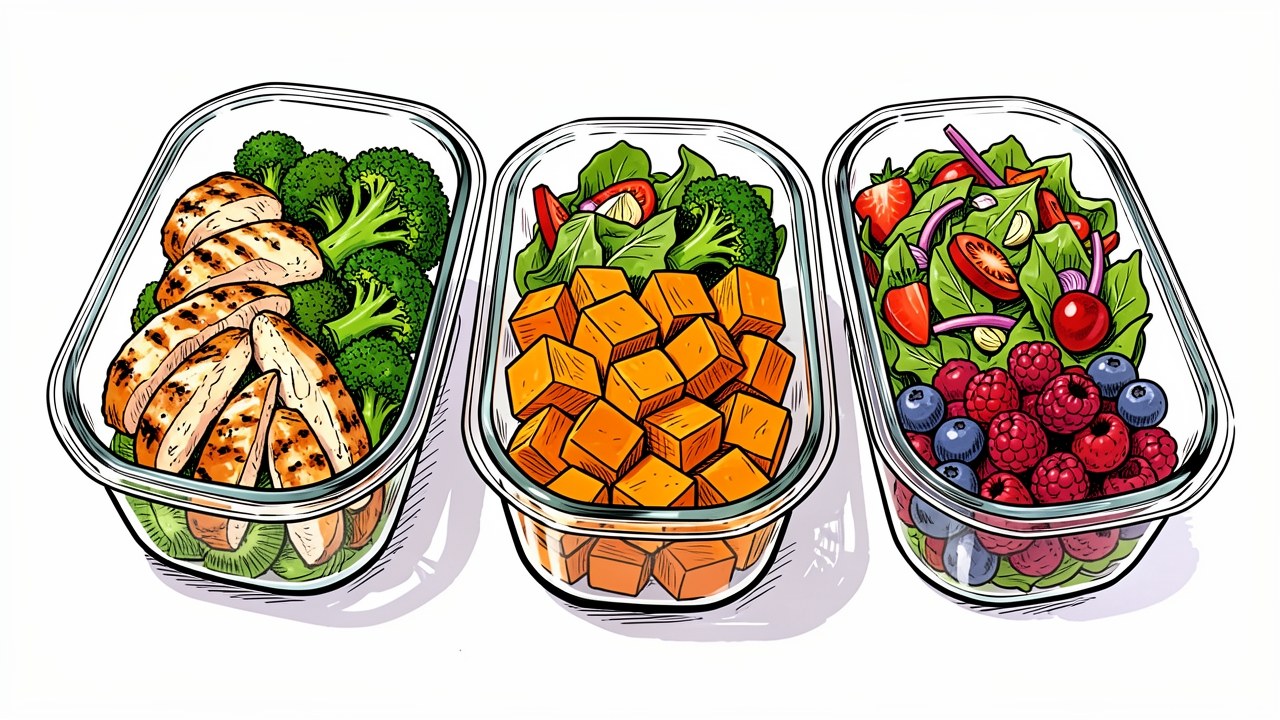
For example, cook a batch of chicken or steak and portion it into separate containers for quick lunches. You can also prep slow-cooker meals in advance by cutting up ingredients and storing them in a bag or container, then dumping them into the cooker in the morning.
- Choose your prep day, such as Sunday.
- Cook 2–3 protein sources, like chicken, steak, or fish.
- Wash and chop vegetables for salads and snacks.
- Make a batch of hard-boiled eggs for breakfast or snacks.
- Set up mason jar salads or assemble containers with protein and vegetables.
- Portion out snacks into single-serving bags.
Sources: Critical Bench Compound (YouTube)
Build a Sample Day: Breakfast, Lunch, Dinner, Snacks
Here’s what a day of paleo eating might look like. Remember to adjust portions to your appetite and activity level.
- Breakfast: scrambled eggs with sautéed spinach and tomatoes, or a frittata with vegetables.
- Lunch: grilled chicken on a bed of leafy greens with olive oil and lemon, or leftover dinner from the night before.
- Dinner: halibut fillet with citrus salsa and asparagus, or a New York strip steak with chimichurri.
- Snacks: prosciutto-wrapped melon, a RXBAR Chocolate Sea Salt Protein Bar, or a handful of nuts.
Sources: Forbes Health, Whole Foods Market, Critical Bench Compound (YouTube)
Adjust for Budget, Preferences, and Schedule
Meal planning should fit your life. If your budget is tight, choose affordable proteins like eggs, canned fish, and chicken thighs, and buy frozen vegetables. If you have a busy schedule, rely on slow-cooker meals and make-ahead salads. If you don’t like eating the same thing every day, vary your vegetables and sauces.
You can also adapt plans for a household of two: repeat some breakfasts for convenience, and most dinner recipes make four to six servings, so you can set aside two servings for lunch leftovers. The key is to be flexible and realistic.
Sources: Forbes Health, Whole Foods Market, Critical Bench Compound (YouTube)
Use Leftovers and Freezer Meals
Leftovers are a busy cook’s best friend. When you prepare a meal, intentionally make extra so you can pack it for lunch or freeze individual portions for later. Slow-cooker meals are especially good for freezing.
To keep meals from becoming boring, plan a 'leftover night' once or twice a week, or turn leftover protein into a salad, wrap (using lettuce leaves), or stir-fry with fresh vegetables.
- Freeze leftovers in labeled containers with the date.
- Use leftover cooked chicken or beef in salads, soups, or vegetable stir-fries.
- Make a large batch of chili or stew and freeze half for a busy week.
Sources: Whole Foods Market, Critical Bench Compound (YouTube)
Frequently asked questions
How many times a week should I meal prep?
There's no single rule, but many people find that prepping once or twice a week works well. For example, you might cook a batch of protein on Sunday to use throughout the week, and perhaps do a second small prep midweek for items like chopped vegetables. The goal is to reduce daily cooking effort while keeping meals fresh.
Sources: Critical Bench Compound (YouTube)What are good paleo snacks to have on hand?
Keep simple, portable snacks like prosciutto-wrapped melon, RXBAR Chocolate Sea Salt Protein Bar, oven-roasted kale, or Hu Kitchen Hazelnut Butter Dark Chocolate Bar. Nuts, seeds, and fruit are also convenient choices. Having these ready can help you avoid reaching for non-paleo options.
Sources: Whole Foods MarketCan I eat out while following a paleo meal plan?
Yes, with a few adjustments. At restaurants, you can order grilled chicken or fish and ask for steamed broccoli instead of a starchy side, and request that sauces be left off. Keep in mind that not all restaurants can accommodate every request, but most can prepare a simple protein and vegetable plate.
Sources: Critical Bench Compound (YouTube)How do I make paleo meals on a tight budget?
Choose affordable proteins such as eggs, canned tuna, and chicken thighs, and buy frozen vegetables, which often cost less than fresh. Plan meals around what’s on sale that week, and cook large batches to stretch your ingredients. Also, avoid expensive specialty products unless you truly need them—many paleo basics are already budget-friendly.
Sources: Forbes Health, Whole Foods MarketWhat if I don't like leftovers?
If you dislike eating the same thing repeatedly, try repurposing leftovers into different meals. For instance, turn leftover chicken into a salad, a lettuce wrap, or a stir-fry with new vegetables. You can also freeze individual portions and eat them weeks later, giving you variety without cooking from scratch every night.
Sources: Critical Bench Compound (YouTube)Sources
- The Paleo Diet: Food List, Meal Plan And Benefits — Forbes Health
- 7-Day Paleo-Friendly Meal Plan — Whole Foods Market
- Paleo Dieting Made Simple - How to Meal Prep & Plan for the Paleo Diet — Critical Bench Compound (YouTube)