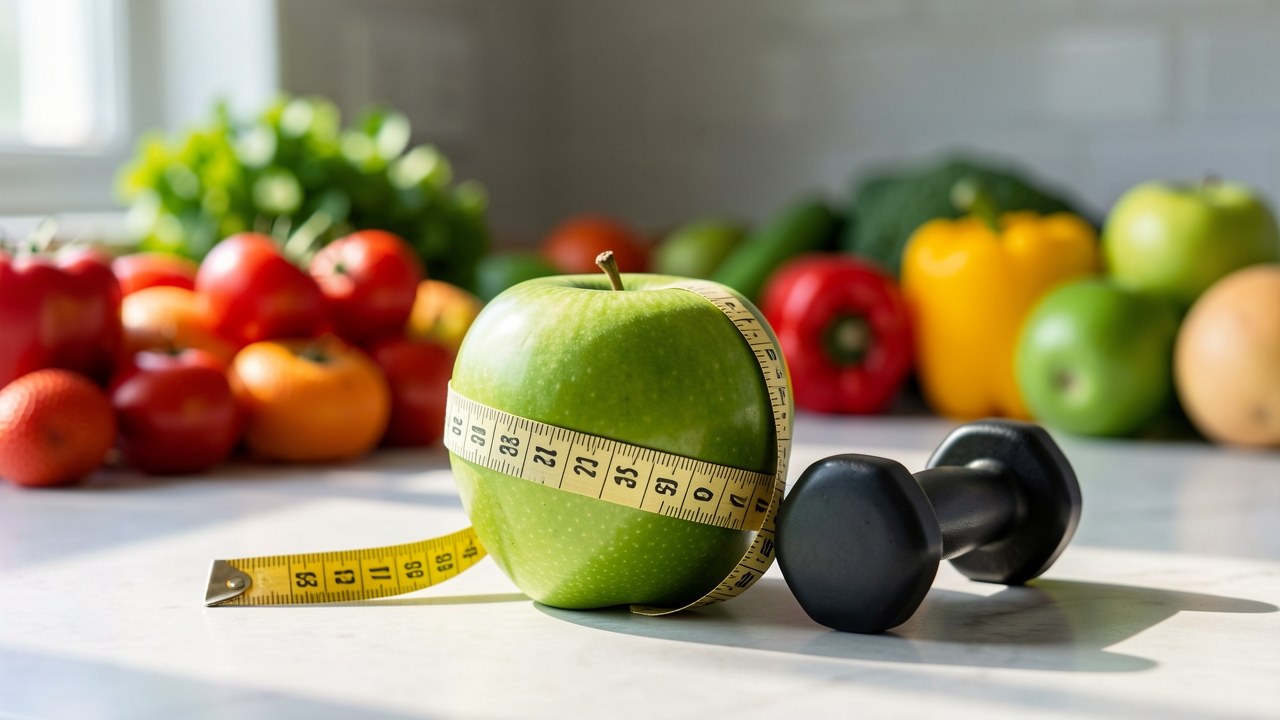
How the Paleo Diet May Promote Weight Loss
The paleo diet focuses on whole foods: lean meat, fish, shellfish, fruit, vegetables, eggs, nuts, and seeds. It excludes grains, legumes, dairy, processed foods, refined sugars, and added salt. This pattern is naturally higher in protein and fiber and lower in refined carbohydrates, which may influence weight in several ways.
A higher protein intake can increase feelings of fullness and support muscle mass. The diet's fiber from vegetables and fruit also contributes to satiety. Because it removes many energy-dense processed snacks and sugary drinks, daily calorie intake may decrease without intentional restriction.
However, weight loss is not guaranteed. Whether you lose weight on paleo depends on your overall calorie balance, your food choices within the allowed list, and how consistently you follow the pattern.
- Emphasizes lean proteins, vegetables, fruits, nuts, and seeds.
- Eliminates grains, legumes, dairy, processed foods, refined sugars, and added salt.
- May naturally reduce calorie intake by removing many ultra-processed, high-calorie foods.
Evidence on Paleo and Weight Change
Randomized controlled trials provide some insight into how paleo compares with other diets for weight loss. Several short-term studies—lasting 6 months or less—have shown that paleo can produce greater weight loss, reduced waist circumference, and improved blood pressure, insulin sensitivity, and cholesterol compared with diets based on national nutrition guidelines. However, these trials often included fewer than 40 participants and were not long enough to assess long-term sustainability.
One notable longer-term study followed 70 postmenopausal Swedish women with obesity for 2 years. Participants following either a paleo diet or a diet based on Nordic Nutrition Recommendations lost significant fat mass and reduced waist circumference at 6 and 24 months. The paleo group lost more fat at 6 months, but by 24 months the difference between groups was not significant. Triglyceride levels did decrease more with paleo at both time points.
The evidence overall is promising for short-term weight loss, but high-quality studies with follow-up beyond one year are limited. More research is needed to determine whether paleo leads to lasting weight change compared with other approaches.
Potential Benefits for Appetite and Satiety
The paleo diet is typically high in protein and fiber, two nutrients that help you feel full after meals. In theory, this could make it easier to eat fewer calories without constant hunger. While specific appetite studies on paleo are lacking, the macronutrient profile supports this idea.
If you are used to a diet higher in refined carbohydrates, switching to paleo might initially reduce cravings for sugary foods. However, adjusting to a lower-carbohydrate intake can cause temporary fatigue or irritability for some people.
- Protein and fiber both increase satiety, potentially reducing overall energy intake.
- The removal of refined sugars may stabilize blood sugar and reduce cravings.
Sources: Harvard T.H. Chan School of Public Health, University of California, Davis, Department of Nutrition
Common Pitfalls That Hinder Weight Loss on Paleo
Even on paleo, weight loss can stall if you run into certain issues. Being mindful of these can help you stay on track.
- Overeating nuts, seeds, and dried fruit: These are calorie-dense, and portion sizes matter even if the foods are allowed.
- Ignoring portions of meat and eggs: While protein is filling, extra-large portions add calories you may not need.
- Relying on paleo-approved treats and baked goods: These can still be high in sugar and fat.
- Not planning meals: Without preparation, you may end up hungry and reach for non-paleo convenience foods.
- Underestimating the social challenge: Dining out and gatherings can make adherence difficult, which may derail your efforts.
Sample Paleo Meals for Weight Loss
The following are meal ideas that fit the paleo pattern while keeping portion sizes reasonable. They are not a complete prescription, but they illustrate the kinds of meals you might build.
- Breakfast: Vegetable omelet cooked with olive oil, served with a side of berries.
- Lunch: Grilled salmon over a large mixed salad with avocado, cucumber, and a lemon-olive oil dressing.
- Dinner: Baked chicken breast with roasted broccoli and sweet potato wedges.
- Snack: A small handful of almonds and an apple, or carrot sticks with guacamole.
Combining Paleo with Physical Activity
While diet is a major factor in weight loss, physical activity supports it by increasing energy expenditure and helping preserve lean mass. The paleo diet can supply adequate protein to support an active lifestyle, but you need to eat enough to fuel your workouts.
There is no single exercise prescription that is required with paleo. A mix of cardiovascular exercise and resistance training generally supports weight loss and overall health. If you are new to exercise, start gradually and choose activities you enjoy.
Tracking Progress and Adjusting
To see if paleo is working for you, track not only your weight but also your waist circumference, how your clothes fit, your energy levels, and how you feel. Weight can fluctuate daily, so look at trends over several weeks.
If weight loss stalls after an initial drop, review your portion sizes, especially of nuts, seeds, and cooking fats. Also check whether you are eating enough vegetables and protein. Adjusting your meals and activity can help you continue progressing.
Should You Choose Paleo for Weight Loss?
Paleo appears to be an effective approach for short-term weight loss, according to several randomized trials. Its emphasis on whole foods and protein may help you eat fewer calories while feeling satisfied. However, long-term evidence is limited, and the restrictive nature of the diet can make it hard to maintain over months and years.
If you find paleo too restrictive for your lifestyle, you might still adopt some of its principles—like eating more vegetables, lean proteins, and avoiding ultra-processed foods—within a more flexible eating pattern. The best weight-loss diet is one you can sustain while meeting your nutritional needs.
Because paleo eliminates grains, legumes, and dairy, you may need to pay extra attention to getting enough fiber, calcium, vitamin D, thiamin, riboflavin, iron, and iodine. Work with a healthcare provider or registered dietitian to ensure your diet is nutritionally adequate, especially if you have underlying health conditions.
Sources: Harvard T.H. Chan School of Public Health, University of California, Davis, Department of Nutrition
Frequently asked questions
Will I lose weight faster on paleo?
In short-term studies, people following paleo have lost more weight than those on standard national guideline diets, but the difference may not last. At 6 months, a paleo diet produced greater fat loss than a Nordic Nutrition Recommendations diet, but at 24 months the differences were no longer significant. So you might see faster initial results, but long-term weight loss depends on adherence and calorie balance.
Sources: Harvard T.H. Chan School of Public HealthDo I need to count calories on paleo?
Not necessarily, but being aware of portions helps. Paleo naturally removes many calorie-dense processed foods, which may lower your intake without deliberate counting. However, overeating allowed foods like nuts and seeds can still lead to weight gain. If weight loss stalls, checking portion sizes and perhaps tracking intake for a few days can help you identify issues.
Sources: Harvard T.H. Chan School of Public HealthCan I eat unlimited nuts and seeds on paleo for weight loss?
No. Nuts and seeds are nutrient-dense but also high in calories. Eating them in large amounts can easily add hundreds of calories and hinder weight loss. A serving is typically a small handful (about 1 ounce). Keep portions reasonable even though these foods are allowed.
Sources: Harvard T.H. Chan School of Public HealthHow long to see weight loss results?
In studies, participants typically lose weight within the first few months. For example, a 6-month trial showed significant fat loss, and even a 2-year study showed sustained reductions. Individual results vary, but you may notice changes in as little as a few weeks if you maintain a calorie deficit. Give yourself at least 4 to 6 weeks to see meaningful trends.
Sources: Harvard T.H. Chan School of Public HealthSources
- Diet Review: Paleo Diet for Weight Loss - The Nutrition Source — Harvard T.H. Chan School of Public Health
- The Paleo Diet — University of California, Davis, Department of Nutrition