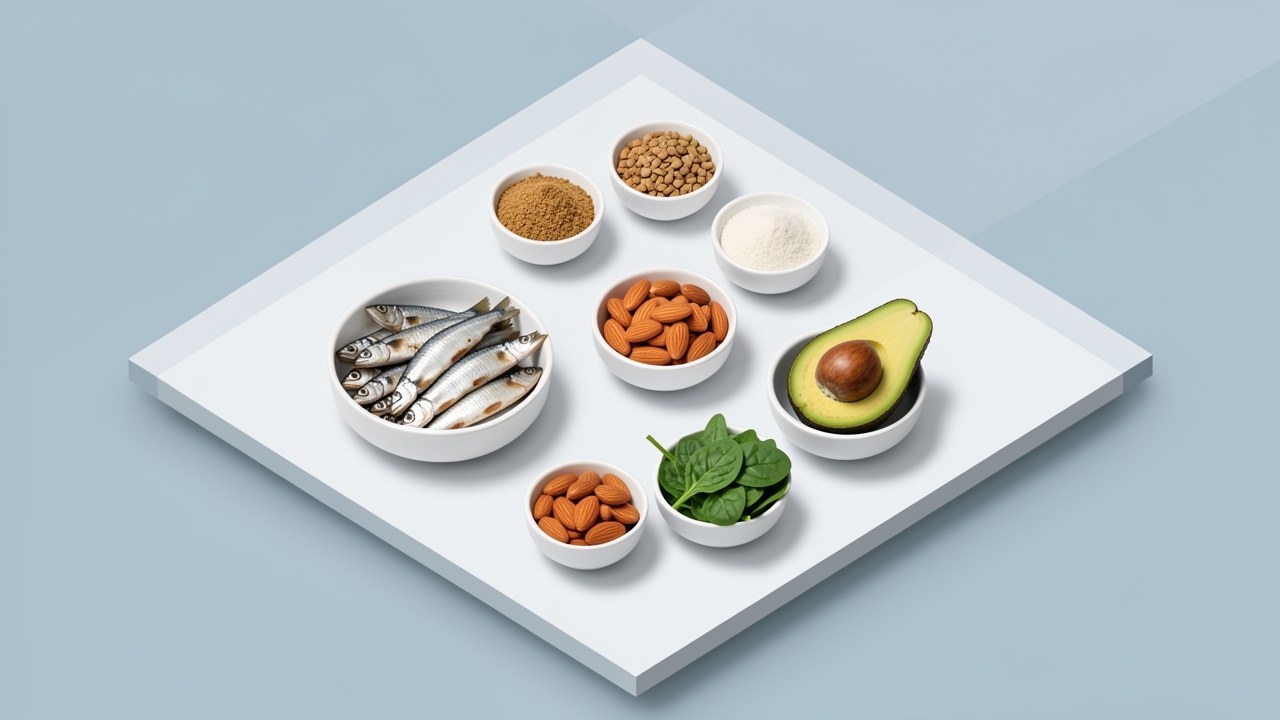
Macronutrient Profile of a Paleo Diet
The paleo diet is defined by the foods it avoids rather than a strict macronutrient ratio. Because it excludes grains, legumes, and dairy, the balance of protein, fat, and carbohydrate can vary widely depending on individual food choices.
One model of a contemporary paleo diet, described by the UC Davis Department of Nutrition, derives about 38% of energy from protein, 39% from fat, and 23% from carbohydrate. This contrasts with the broader ranges reported in clinical literature, which typically show protein at 19–35% of calories, fat at 28–58%, and carbohydrate at 22–40%.
While these numbers can shift, a common theme is that paleo eating often provides more protein and fat and less carbohydrate than typical Western diets. For most healthy adults, such a profile is generally acceptable, but individual needs and preferences matter.
- Protein: 19–35% of calories (typical range)
- Fat: 28–58% of calories (typical range)
- Carbohydrate: 22–40% of calories (typical range)
- Fiber: often high, with one model providing 38.6 g per day
Sources: UC Davis Department of Nutrition, StatPearls Publishing, via NCBI Bookshelf
Calcium and Vitamin D: A Closer Look
Dairy is a major source of calcium in many diets, but paleo excludes it. That doesn't mean calcium is impossible to obtain; it just requires more attention to plant and animal sources.
In the UC Davis model, calcium intake was estimated at 628 mg per day, well below the 1000 mg recommended by the Dietary Guidelines for Americans. Short-term studies have also shown that calcium intake can drop significantly when people switch to a paleo pattern.
Vitamin D is another concern. The UC Davis resource notes that a typical paleo diet provides no dietary vitamin D, which is important because vitamin D helps the body absorb calcium. While some paleo-friendly foods like mushrooms and liver do contain vitamin D, they are not staples for everyone. Sunlight exposure and supplements often become necessary.
- Paleo-friendly calcium sources: collard greens, turnip greens, and canned bone-in sardines or salmon
- Meeting calcium needs may require five or more servings per day of these foods
- Vitamin D is not naturally abundant in most paleo-friendly foods; consider sunlight and supplementation
Sources: UC Davis Department of Nutrition, Harvard T.H. Chan School of Public Health, The Nutrition Source
Iodine: Finding Paleo-Friendly Sources
Iodine is essential for thyroid function, and it's typically found in iodized salt and dairy products. Since paleo often restricts salt and completely excludes dairy, iodine intake may fall short.
The UC Davis nutrition resource cautions that restricting salt and dairy may increase the risk of iodine deficiency on the paleo diet. However, the diet does allow for iodine-rich foods like seaweed, which can be incorporated in moderate amounts.
If you follow a strict paleo approach, it's wise to monitor your iodine intake and consider iodine-rich foods or a supplement if needed.
Sources: UC Davis Department of Nutrition
Fiber: Getting Enough Without Grains
Whole grains are a primary fiber source for many people, but paleo swaps them for vegetables, fruits, nuts, and seeds. This can actually be a fiber-rich way of eating if you prioritize these plant foods.
The UC Davis model shows a contemporary paleo diet providing 38.6 grams of fiber per day, which exceeds the Dietary Guidelines recommendation of 28 grams. Harvard's review similarly notes that the diet can be high in fiber when followed as recommended.
To keep fiber intake up, fill your plate with a variety of non-starchy vegetables, berries, and other fruits, along with nuts and seeds.
- Vegetables: broccoli, cauliflower, leafy greens, peppers
- Fruits: berries, apples, pears, citrus
- Nuts and seeds: almonds, walnuts, chia seeds, flaxseeds
Sources: UC Davis Department of Nutrition, Harvard T.H. Chan School of Public Health, The Nutrition Source
B Vitamins: Getting Enough Without Grains and Legumes
Grains and legumes contribute several B vitamins to standard diets, especially thiamin, riboflavin, and folate. Excluding them means you need to source these vitamins from other foods.
Paleo-friendly options include organ meats, which are rich in B vitamins, as well as vegetables and eggs. Meat, poultry, and fish also provide vitamin B12, which is essential and not found in plant foods.
Because the paleo diet eliminates fortified grain products, it's important to consciously include these nutrient-dense foods to meet B-vitamin needs.
- Thiamin: pork, fish, seeds, and legumes (but legumes are excluded, so focus on nuts and seeds)
- Riboflavin: eggs, organ meats, and leafy greens
- Niacin: poultry, beef, and fish
- Vitamin B12: only in animal products, such as meat, fish, and eggs
Sources: UC Davis Department of Nutrition, Harvard T.H. Chan School of Public Health, The Nutrition Source
Iron and Zinc: Bioavailability Matters
Meat, poultry, and fish are staples of the paleo diet and provide highly absorbable heme iron, along with zinc. In the UC Davis model, iron intake was estimated at 22.1 mg and zinc at 24.9 mg per day, both exceeding the Dietary Guidelines recommendations (18 mg iron and 8 mg zinc).
However, the exclusion of legumes and whole grains removes some plant sources of these minerals. While the paleo diet generally supplies adequate amounts, the absorption of iron and zinc from plants is lower than from animal foods.
To optimize intake, include a variety of meats, seafood, and eggs. If you're vegetarian-leaning within a paleo framework (which is uncommon), pay extra attention to these nutrients.
- Iron: red meat, poultry, fish, and shellfish
- Zinc: red meat, shellfish, and pumpkin seeds
- Note: the paleo diet excludes legumes, which are often relied upon by vegetarians for these minerals
Sources: UC Davis Department of Nutrition, Harvard T.H. Chan School of Public Health, The Nutrition Source
Omega-3 Fatty Acids: Choosing the Right Sources
Omega-3 fatty acids, particularly EPA and DHA, support heart and brain health. The paleo diet encourages fatty fish, which are excellent sources of these long-chain omega-3s. Plant-based options like walnuts, flaxseeds, and chia seeds provide ALA, a shorter-chain omega-3, but the conversion to EPA/DHA in the body is limited.
Grass-fed beef is often promoted on paleo for containing more omega-3s than conventional beef, but the difference is small. For example, a 3-ounce serving of cooked salmon can provide 1,000–2,000 mg of EPA/DHA, while grass-fed beef provides only about 20–200 mg of ALA. Oily fish remains the most effective source.
If you don't eat fish regularly, consider an algae-based supplement to meet your EPA/DHA needs.
- Best sources: wild-caught salmon, sardines, mackerel, and anchovies
- Plant sources: walnuts, flaxseeds, chia seeds, and avocados
- Grass-fed beef: contains more omega-3s than grain-fed, but still much less than fish
Sources: Harvard T.H. Chan School of Public Health, The Nutrition Source, Nutrients (MDPI), via PubMed Central
Practical Food Sources: Nutrient-Dense Paleo Choices
Planning is key to nutrient adequacy on paleo. By focusing on a variety of animal and plant foods, you can cover most bases naturally.
The table below compares the nutrient intake of a modeled contemporary paleo diet with the Dietary Guidelines for Americans, using data from the UC Davis resource. This comparison highlights where the paleo pattern excels and where it may need attention.
Keep in mind that this is one model, not a guarantee of your personal intake. Actual values vary based on your food choices.
| Nutrient | Paleo Diet (UC Davis model) | Dietary Guidelines |
|---|---|---|
| Protein (% energy) | 38% | 10–35% |
| Carbohydrate (% energy) | 23% | 45–65% |
| Fiber (g) | 38.6 | 28 |
| Total fat (% energy) | 39% | 20–35% |
| Saturated fat (% energy) | 7% | <10% |
| Sodium (mg) | 660 | 2300 |
| Potassium (mg) | 8238 | 4700 |
| Calcium (mg) | 628 | 1000 |
| Iron (mg) | 22.1 | 18 |
| Zinc (mg) | 24.9 | 8 |
Sources: UC Davis Department of Nutrition, Harvard T.H. Chan School of Public Health, The Nutrition Source
Supplements: Filling Potential Gaps
Even with careful planning, certain nutrients may be hard to obtain in sufficient amounts from paleo foods alone, especially vitamin D and iodine.
Vitamin D is unique because the body can produce it with sun exposure, but many people have low levels. Iodine, as noted, may be low if you avoid iodized salt and dairy.
Before taking supplements, it's wise to have your levels tested and discuss with a healthcare provider. While the paleo diet can be nutrient-dense, individual needs and deficiencies vary. A provider can offer personalized guidance based on your health status and dietary patterns.
No specific dosages are provided here because appropriate amounts depend on individual factors.
Sources: UC Davis Department of Nutrition, Harvard T.H. Chan School of Public Health, The Nutrition Source
Frequently asked questions
Do paleo eaters need to worry about calcium?
Yes, calcium is a nutrient of concern because dairy is excluded. The UC Davis model shows calcium intake around 628 mg per day, below the recommended 1000 mg. To compensate, include calcium-rich paleo foods like collard greens, turnip greens, and canned bone-in sardines or salmon. You might need five or more servings of these foods daily to meet the recommendation. If you can't achieve that, consider a supplement and discuss with your healthcare provider.
Sources: UC Davis Department of Nutrition, Harvard T.H. Chan School of Public Health, The Nutrition SourceAre there paleo-friendly sources of iodine?
Yes, seaweed is a paleo-friendly iodine source. The paleo diet excludes dairy and often limits iodized salt, both common iodine sources, which raises the risk of deficiency. Incorporating seaweed in your meals or as a snack can help, but the amount needed can vary. If you're concerned about iodine, consult a healthcare provider about testing and potential supplementation.
Sources: UC Davis Department of NutritionHow can I get enough fiber on paleo without grains?
Fiber is abundant in paleo-friendly vegetables, fruits, nuts, and seeds. A modeled paleo diet provides 38.6 g of fiber per day, exceeding the Dietary Guidelines' 28 g recommendation. To replicate that, eat plenty of non-starchy vegetables like broccoli and leafy greens, include fruits like berries and apples, and snack on nuts and seeds. This approach can easily meet fiber needs.
Sources: UC Davis Department of Nutrition, Harvard T.H. Chan School of Public Health, The Nutrition SourceSources
- The Paleo Diet — UC Davis Department of Nutrition
- Diet Review: Paleo Diet for Weight Loss — Harvard T.H. Chan School of Public Health, The Nutrition Source
- Paleolithic Diet—Effect on the Health Status and Performance of Athletes? — Nutrients (MDPI), via PubMed Central
- Paleolithic Diet - StatPearls — StatPearls Publishing, via NCBI Bookshelf
- Nutrition A to Z — Harvard T.H. Chan School of Public Health, The Nutrition Source